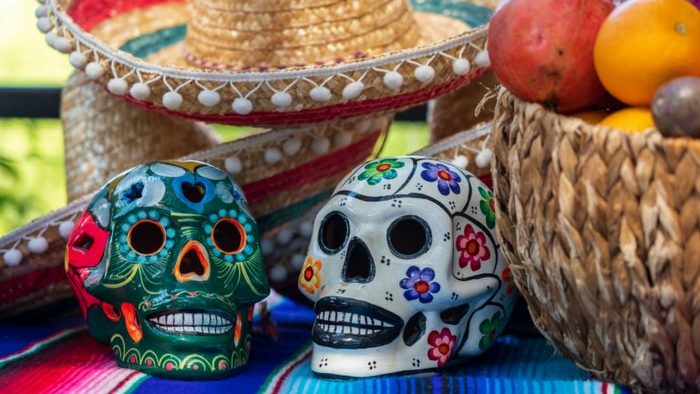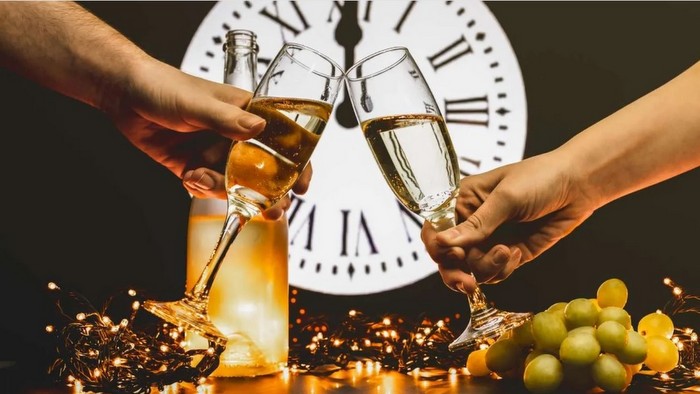
The last night of the year is far more than a calendar farewell—it is a collective ritual where all of Ibero-America pauses to celebrate, with one foot in tradition and the other in renewal. From Mexico to Patagonia, each country—and even each region—weaves its own customs into a vibrant tapestry of symbols, flavors, and superstitions that make December 31st a night rich with cultural meaning.
Rituals for Prosperity: Beyond the Midnight Bells
While Spain popularized the twelve grapes eaten to the chime of midnight bells, Ibero-America has developed its own repertoire of gestures to attract good fortune:
- The Traveling Suitcase: In countries like Venezuela, Colombia, Peru, and Ecuador, stepping outside at midnight with an empty suitcase (or one filled with dreams) symbolizes journeys and new paths for the coming year. In some regions, people walk around the block dragging their luggage behind them.
- The Color of Destiny: The choice of underwear color serves as a kind of oracle. Red for love, yellow for abundance, white for peace. In Mexico and Central America, this practice is often combined with spiritual cleansing rituals, such as sweeping the house from the inside out to expel negative energy.
- Money in the Shoes: In Chile, Argentina, and Uruguay, it is common to place banknotes inside one's shoes at midnight to ensure economic prosperity. In Paraguay, some also carry lentils in their pockets for the same purpose.
- Twelve Grapes with Purpose: Adapting the Spanish tradition, many Ibero-Americans associate each grape with a specific wish, sometimes written beforehand on papers that are burned or tucked under their champagne glasses.
The New Year's Table: Flavors with Symbolism
The New Year's Eve dinner is a ceremonial gastronomic act where each dish carries an omen:
- Lentils and Pork: In Cuba, the Dominican Republic, and Puerto Rico, lentils are eaten to attract abundance, while pork (roasted or as *pernil*) symbolizes progress due to the animal's forward-moving rooting behavior.
- Grapes and Pomegranates: In Mexico and parts of Central America, pomegranates—with their numerous seeds—are enjoyed as symbols of fertility and family prosperity.
- Stuffed Turkey or Chicken: In Peru and Ecuador, turkey stuffed with sweet fruits and spices represents family unity. In Chile, outdoor barbecues dominate in the southern hemisphere, taking advantage of the austral summer.
- Panettone and Cider: Italian and Spanish influences blend in countries like Argentina, Uruguay, and Brazil, where panettone and sparkling cider are essential, often accompanied by party favors and streamers.
Rituals of Purification and Renewal
New Year's Eve is also a cathartic moment:
- Burning of the Old Year: In Colombia, Ecuador, Guatemala, and Nicaragua, people craft *"años viejos"* or effigies—rag or cardboard dolls representing negativity—to burn at midnight. In some communities, lists of bad habits or resentments are added to the dolls.
- Flower Baths: In Brazil, especially in Afro-Brazilian traditions like Candomblé, baths with flower petals and herbs are taken to attract health and joy. In Venezuela, bathing with rue branches before dinner is common.
- Egg Cleansings: In Bolivia and Andean regions, a raw egg is passed over the body to absorb bad energy, then cracked into a glass of water to "read" the shapes it forms.
Community Festivities and Unique Celebrations
- Water Fights in Bolivia: In La Paz and El Alto, young people and children take to the streets to splash passersby with water balloons and water guns—a ritual game symbolizing purification.
- New Year’s at the Beach: In Uruguay, Brazil, and Chile, thousands greet the new year by the sea, jumping seven waves (each representing a wish) after midnight—a tradition linked to the sea goddess Yemanjá in Afro-Brazilian culture.
- Midnight Bells in Main Squares: In Mexico City, Lima, or Bogotá, central plazas fill with families carrying grapes and suitcases, creating a massive festive atmosphere.
Between Tradition and Modernity
With globalization, some practices have merged: WhatsApp good wishes coexist with physical cards, and live streams of public celebrations allow virtual participation. Yet the emotional core remains: Ibero-American New Year's Eve is, above all, a rite of collective hope, where symbolism reinforces identity and faith in a better future.
These traditions—many with roots in blended Indigenous, African, and European heritage—show that beyond borders, Ibero-America celebrates life with a common language of ritual and human warmth. As a popular saying goes: "How you ring in the year is how you'll spend it"—and in this region, it is welcomed with open arms, tables, and hearts.
Photo: Hogarmania
Previous publication Art Palm Beach 2026 Announces Exhibitor Roster and Featured Exhibitions
Next publication Discover a Hidden Picasso: The Gary Nader Art Centre Presents One of Picasso's Most Intimate and Protected Works
Related Publications