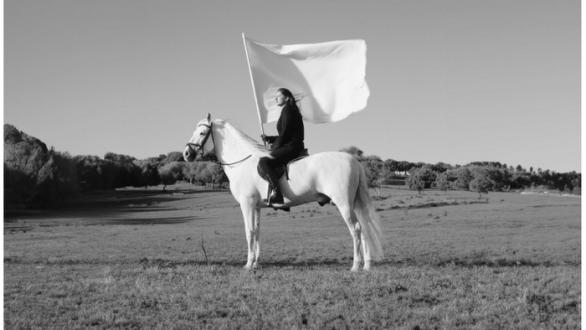
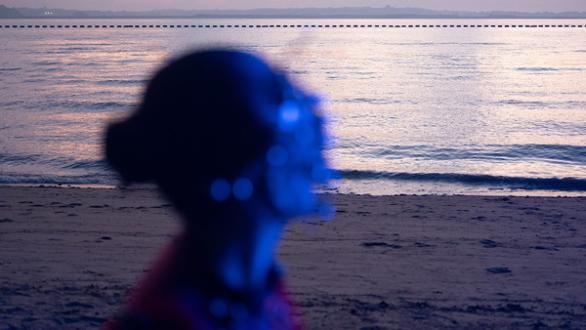

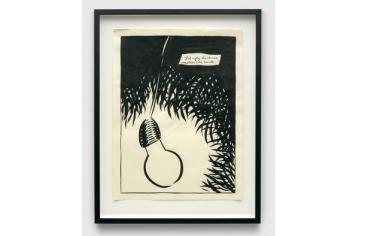
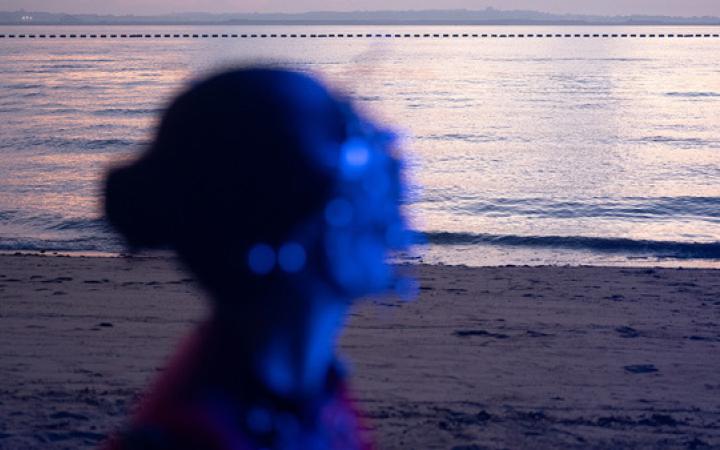
PalaisPopulaire in Berlin presents Make a Travel Deep of Your Inside, and Don’t Forget Me to Take, the first institutional solo exhibition by Chinese-Singaporean artist Charmaine Poh (b. 1990), Deutsche Bank’s “Artist of the Year” 2025.
This time around in its ninth edition, the event is once again on the top of the Cuban vanguard, even though the contemporary visual arts also put on a good show there based on the right selection of both authors and representative pieces.
New York became the heart and soul of art market on Tuesday, Nov. 2, when Sotheby’s put a number of high-quality impressionistic artworks under the gavel. And this was just the beginning of several days dedicated to modern and…
The Seventh Biennial of Visual Arts in the Central American Isthmus (BAVIC 7) opened on Nov. 1 in Nicaragua. Coordinated by the Ortiz Gurdian Foundation, the gathering includes –in addition to the main exhibit- a theoretical event planned…
Our Arte by Excelencias magazine attended the sixth edition of the International Art Fair in Bogota, quite an excellent opportunity to weave a publishing collaboration network and open up a new space for commercial exchange.

As to the excellent selection of contemporary art showcased by 52 galleries from several nations, two elements have basically characterized the proposals on display: an intense relationship with the public and the broaching of social topics. A…
In October Arteamerica is unveiling its 23rd issue with a dossier devoted to a topic that has unleashed quite a number of reflections lately: Latinos in the U.S. The magazine’s publishing board wanted to join the efforts…
The exhibit, entitled FASTing, will remain open till Nov. 25 at the National Cultural Center (CENAC) in Costa Rica. On this exposition, the artist had this to say: “No particular piece stands out above the others. Each and every…
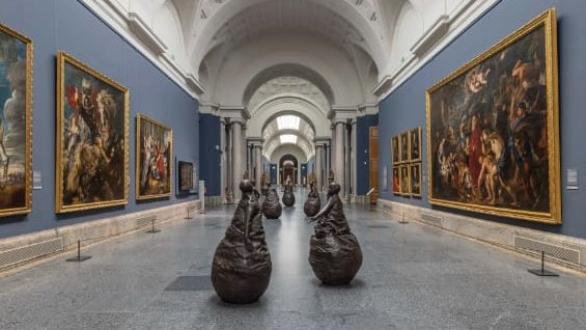
The Queen Sofia National Art Museum and Center has scheduled the showing of ten videos from The Tattooed Skeleton, a project by American artist Suzanne Lacy, who this time around counts on the collaboration of the Madrid Federation of…
On Sunday Oct. 24, the First International Caribbean Triennial came to a close in Santo Domingo, the Dominican Republic. Held at the Museum of Modern Art of the Dominican capital, some of its special guests were Puerto Rico’s Pepon Osorio…
Arte por Excelencias magazine includes reviews on Cuban creators Raul Cordero, Eduardo Abela and Ania Toledo, as well as the Brazilian Jose Damasceno, and a tour through Mexican art with reflections of Indira Sanchez Tapia and a broad…
The 14th edition of the International Fair of Digital Arts and Culture will be held in the Canary Islands, in late November, and it’s considered a benchmark event within the Spanish and international art context related to cutting-edge digital…
ESTAMPA International Fair of Multiple and Contemporary Art, dedicated to exhibiting, marketing and promoting visual arts in every editable aspect, from engraving to video, through photography, will kick off at IFEMA fair facilities, in Madrid,…

Embracing Modernity: Venezuela’s Abstract Movement includes pieces by those artists who boosted up the advance of that trend in the Latin American country, considered of paramount importance and impact both domestically and…